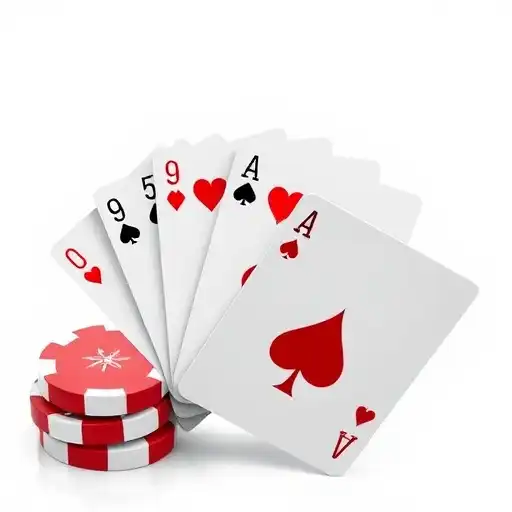
Poker Games: A Deep Dive into Strategy and Skill
The world of poker is not just about sheer luck; it is an intricate dance of strategy, psychology, and skill that has captivated audiences worldwide. While the thrill of the cards is undeniably enticing, the true allure of poker lies in its depth and complexity, catering to everyone from casual players to professional poker stars.
The Many Faces of Poker
The game of poker encompasses a wide range of variations, each with its own distinct rules and strategies. Popular forms include Texas Hold'em, Omaha, Seven-Card Stud, and more. For many enthusiasts, the diversity of poker games offers endless opportunities to refine their skills and explore different strategic approaches.
Texas Hold'em: The King of Poker
Texas Hold'em is undoubtedly the most globally recognized form of poker. Its simple rules, combined with the strategic depth it offers, have made it a staple in poker tournaments and casual games alike. Players are dealt two hole cards, and five community cards are revealed in stages. The challenge lies in making the best five-card hand using any combination of hole and community cards.
Omaha: A Strategy-Heavy Variant
For players seeking more strategic depth, Omaha poker presents an exciting challenge. Like Texas Hold'em, Omaha uses five community cards, but players receive four hole cards. The key difference is that players must use exactly two of their hole cards in combination with three of the community cards. This requirement vastly increases the possible hand combinations, demanding even more strategic thinking from players.
Seven-Card Stud: A Classic Twist
Before the rise of community card games, Seven-Card Stud was one of the most popular forms of poker. Unlike Hold'em and Omaha, Stud does not utilize community cards. Each player is dealt seven cards, but only the best five-card hand counts. The absence of community cards adds a layer of complexity, as players must rely solely on their hand management and observation skills.
Psychology of Poker
Mastering the psychological aspects of poker is just as crucial as understanding its rules. The iconic "poker face" is more than just a pop culture reference; it is a pivotal tool in a player's arsenal. Deception, through betting patterns and body language, plays a significant role in outsmarting opponents. The ability to read an opponent's intentions while concealing one's own is a skill honed through practice and experience.
Online Poker: The Digital Revolution
With the advent of the internet, the poker landscape has transformed dramatically. Online platforms have opened up the game to a global audience, allowing players from all corners of the world to compete in virtual poker rooms. Websites such as 63ph.com offer players an opportunity to engage in a wide variety of poker games, each with its own unique mechanics and challenges.
Breaking Down Barriers
The rise of online poker has broken geographical barriers, enabling players to participate in games 24/7. This accessibility has democratized the game, allowing aspiring players to test and refine their skills regardless of their location. As a result, the poker community has seen an influx of new talent and fresh strategies entering the fray, keeping the competitive scene vibrant and dynamic.
Security and Fair Play
As the digital poker landscape grows, so does the need for rigorous security measures. Online platforms like 63ph.com employ advanced encryption and AI-driven algorithms to ensure fair play and protect players' personal information. This commitment to security fosters a safe and trustworthy environment, attracting more players to the digital tables.
Professional Poker: The Pinnacle of Competition
For many, professional poker represents the ultimate proving ground. High-stakes tournaments, such as the World Series of Poker (WSOP), attract the best players from around the globe, each vying for prestige and substantial prize money. Success in the professional circuit requires not only skill and strategy but also endurance and an unwavering focus.
The Tournament Scene
Poker tournaments are a different beast compared to casual games. With structured blind raises and a finite number of chips, tournaments test a player's ability to adapt under evolving conditions. Each choice carries weight, and players must decide when to hold, fold, or take calculated risks at vital moments.
Whether a seasoned veteran or a curious novice, the world of poker offers an exciting blend of chance and strategy, with endless opportunities for growth and engagement. As technology continues to evolve, the game will undoubtedly see further innovations, keeping the spirit of poker alive for generations to come.